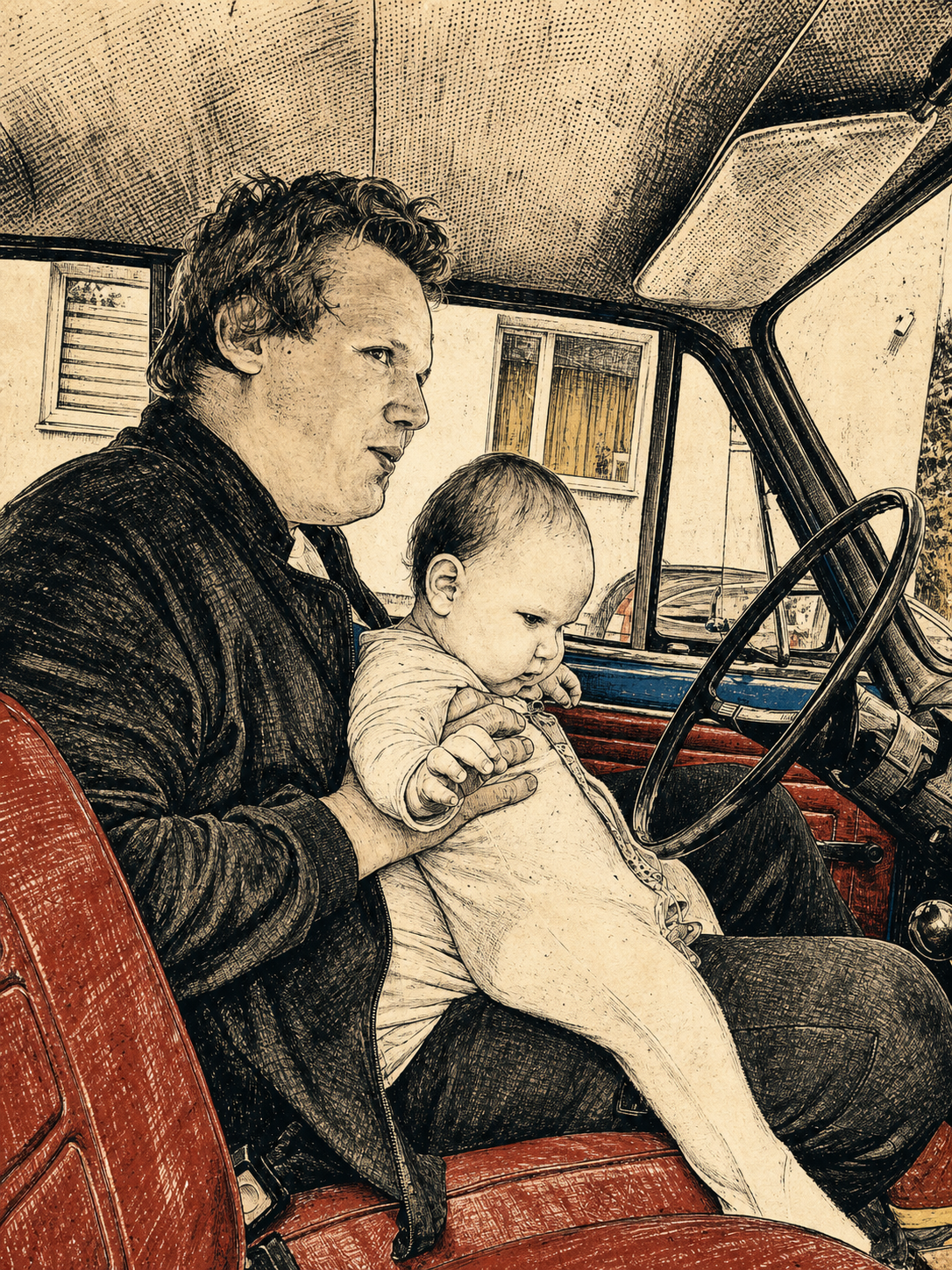
Artur Chariton moved from Tallinn to Narva and has no regrets. We talked about cassettes as trophies, guitarists' favourite mistakes, the move east and why Narva feels like a real city.
Why do musicians need vinyl, cassettes and CDs?
Lelik Ivanov: Let's start with vinyl. This is an interesting phenomenon for me, but I don’t really understand it. Why do musicians still release music on CDs, cassettes and records? This is a fetish, do they need it themselves?
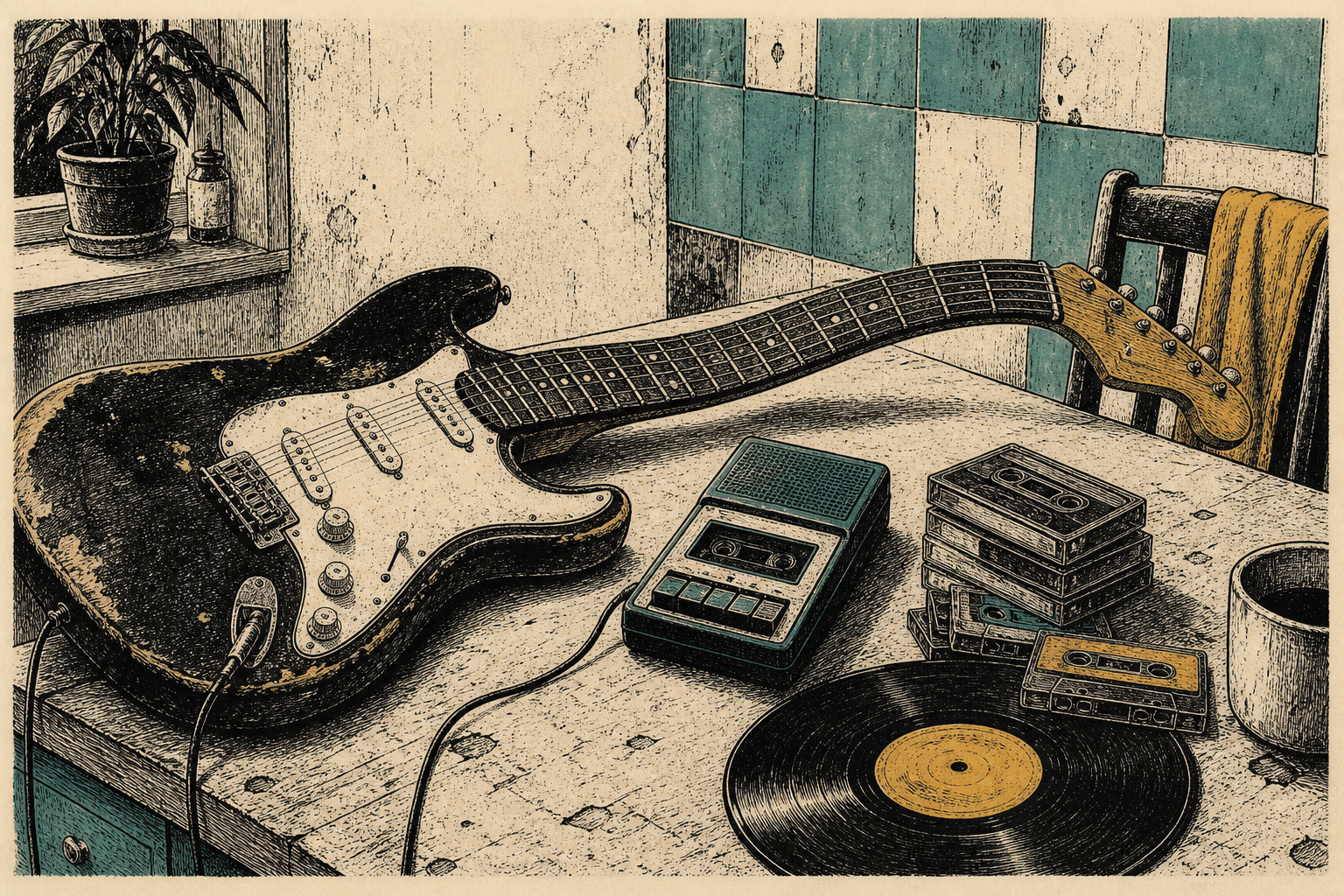
Artur Chariton: First of all, for themselves. It is a way of checking in with yourself: when I was five, I had a Pugacheva or Depeche Mode cassette, and now my own album has come out on much the same kind of tape. Musicians need that.
Then there is the ritual: “I’ll sit down, take it out, put it on and admire it.” Plenty of people still keep the equipment needed to play all this. Until recently I had a huge collection of records and cassettes. Before moving to Narva, I sold the lot. I had grown tired of dusting it. The truth is prosaic: I pay for Spotify, so why should I pay in dusting as well?
Lelik Ivanov: But releasing music digitally, with compressed sound and low bitrate, is still considered cool. Ariel Pink and John Maus, lo-fi favorites, prove it works. They collect a guitar and fart under their arm into a microphone instead of a bass drum.
Guitar “injuries”
Lelik Ivanov: What other common injuries do musicians have?
Artur Chariton: The belief that a guitar has to be made of wood. In a blind test, nobody has reliably distinguished a wooden guitar from one made of another material. It is timber mysticism. Some on YouTube hit the body with a hammer and say: “I hear it’s maple. Noble sound." There are a lot of memes around acoustic instruments made of wood.
As a guitarist, I will say about guitarists: everyone repeats the same mistake. They start playing and decide they need the thickest strings, the kind you could use to saw through a door. As a result, they ruin the neck, buy the next guitar and continue until they understand: it is not at all necessary to install thick strings. Too much tension and the neck bends like a banana.
Moving to Narva
Lelik Ivanov: Where did the idea to move to Narva come from?
Artur Chariton: The reason was thoroughly practical, perhaps hypocritical, though not without romance. My ex-wife and child lived on forty square meters in Mustamäe. At some point, I got tired of sitting in the parking lot until three in the morning and waiting for the only space to become available. I’m tired of motorization, endless repairs, and the fact that rose hips and beautiful gardens are being cut down near the entrances.
Throughout my childhood and youth, I traveled to St. Petersburg and always passed Narva. The city looked completely different from what it really is. Ninety percent of those who drive through the city do not see Krenholm, the Kulgu boat garages and Energetika-2. They see only the Tallinn road and conclude that Narva consists of grey four-storey brick blocks. But this is far from true.
In financially uncertain times, I didn’t want to take out loans. We decided to sell the apartment in Mustamäe and instead buy a large renovated apartment in Narva, and another one for the child when he is seventeen to nineteen years old.
Lelik Ivanov: Is this downshifting?
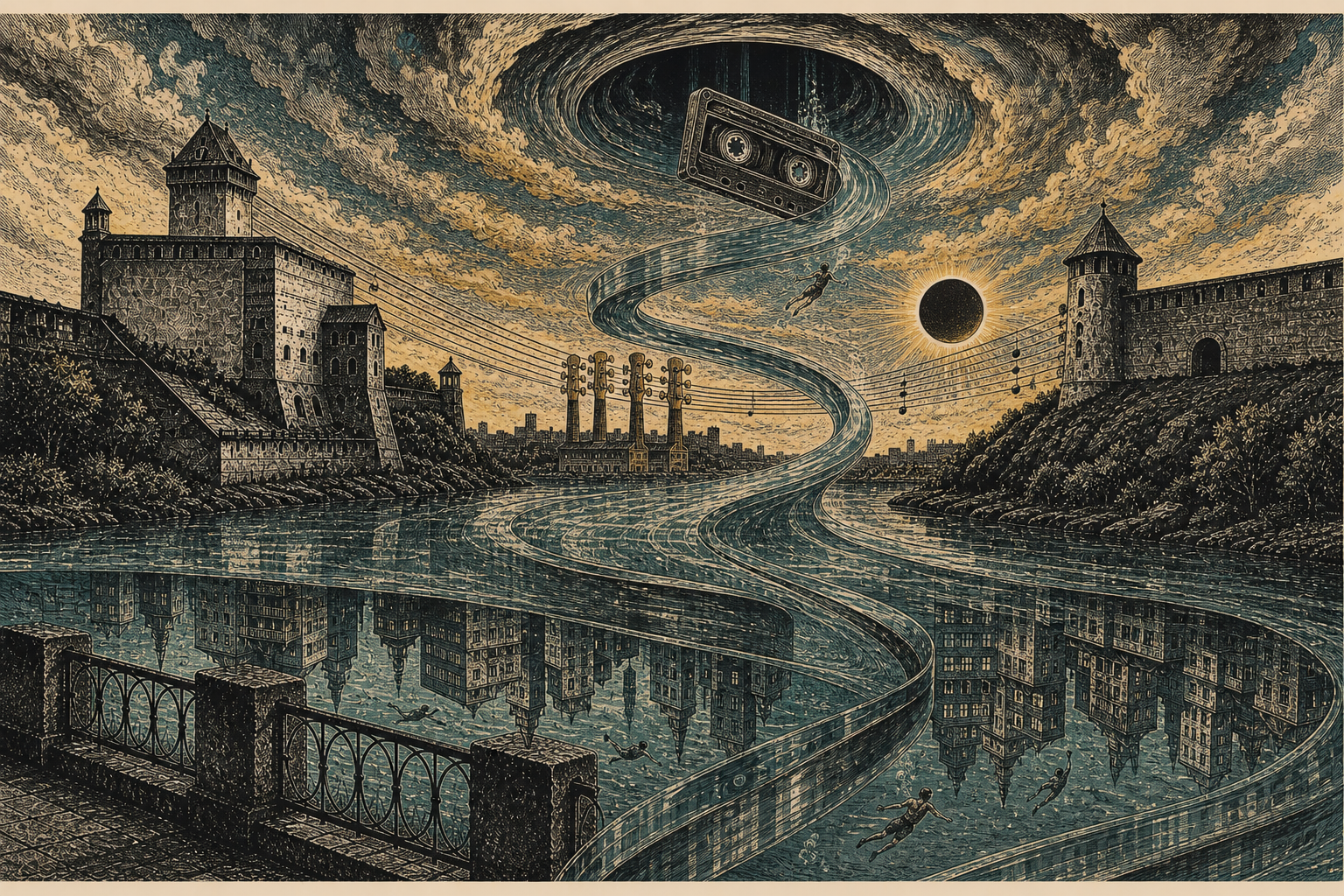
Artur Chariton: Not for me. I have never liked Europe's medieval old towns; I do not see the glamour in them. But I love the twentieth century, both its beginning and its end. Narva reflects it beautifully. Where else is there such a place: swimming between two fortresses, literally between two worlds? Access to the river, such a landscape. For me, this is what finding happiness looks like. It is the best decision I have made.
Boredom, culture and buses
Lelik Ivanov: Have you already encountered the first problems of Narva?
Artur Chariton: It depends on how much entertainment you need and how many people you know. Of course, I would like the cultural program to become wider. When the war ends and buses go to St. Petersburg again, there will be more events. I see history moving in a spiral: 1992 again, only now with smartphones, crowded car parks and 4G.
Renaming streets
Lelik Ivanov: We are sitting on the street that used to be called 26 July. How do you feel about this?
Artur Chariton: This renaming is very good. July Street suggests sunshine, serenity and calm to everyone. The 26th of July does not. Brilliant: they removed two numbers and left the toponym. Cool.
People are worried about Dauman and Grafov. I thought that Sillamäe had defended most of the old names, but they didn’t bother to go any further. You drive out of Sillamäe onto the highway and see on a large sign in huge letters: “Lev Tolstoy.”
More generally, people should decide place names themselves by direct vote, not through municipal bodies.
Capital and cities
Lelik Ivanov: Do you miss Tallinn?
Artur Chariton: No. I miss the Depoo shop and some of the cultural events we do not have here. Nothing else.
Let’s be honest: Estonia hardly has any cities. There are three, and that is about it. Narva is a real city, built densely rather than as an urbanised village like Elva or Paide. It has a strong industrial past and present. Some will leave, others will arrive. The city will still develop. Everything will be fine.